
Auction
Cup of Excellence
 Verified listing
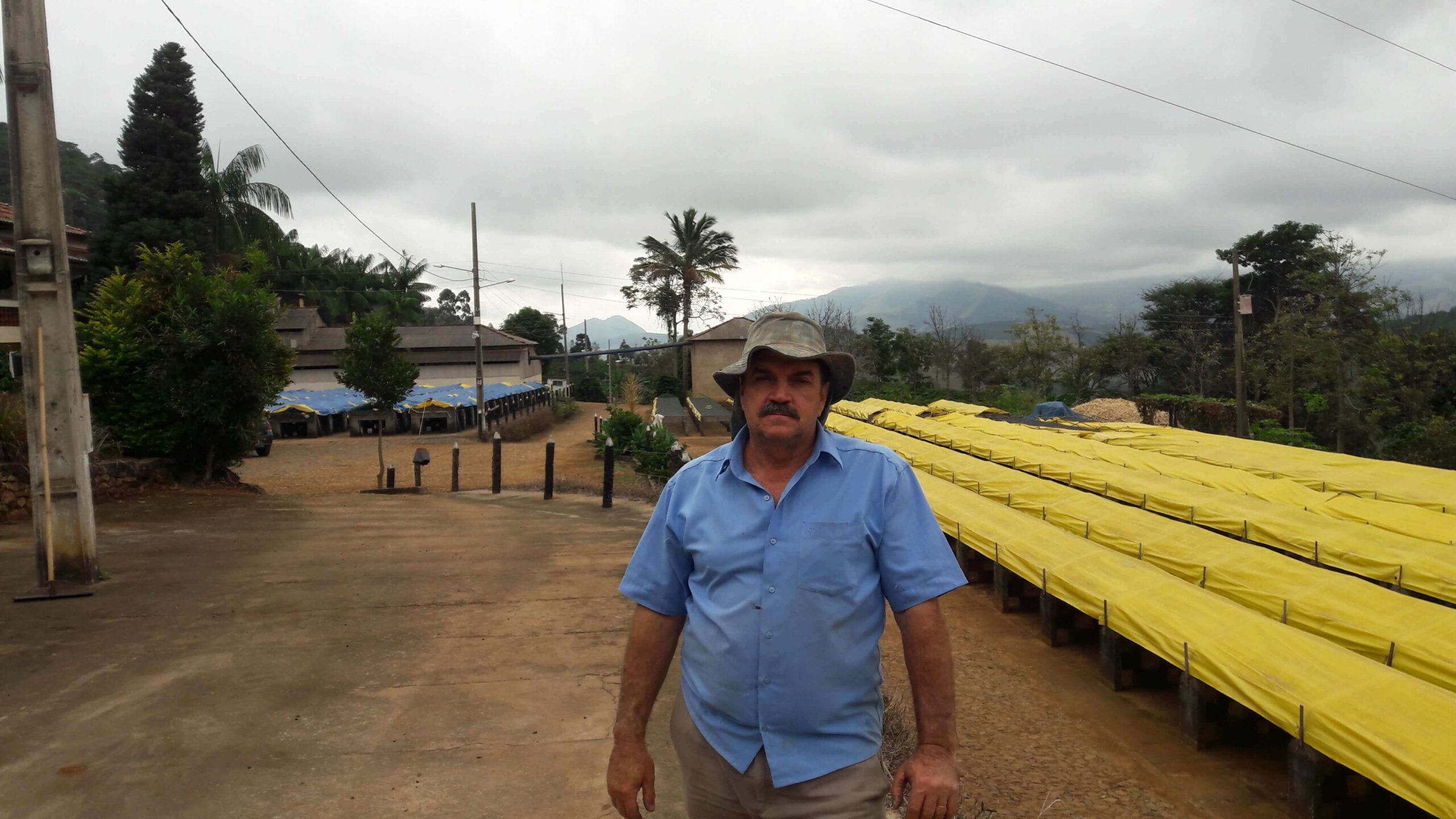
The farm was acquired in 1988 and has grown coffee since then. At the beginning, the property had a small coffee field and a larger area of pastures, where beef and dairy cattle were raised. Over time, the producers notes the region’s potential for coffee and thus substituted pastures for coffee fields.
In 2003, the family participated in the Cup of Excellence® for the first time and were champions. This achievement encouraged them to begin working on improving the quality of the coffees produced on the farms. Uniting the region where the farm is located and post-harvest practices used in production, the farm’s coffee stood out on the specialty coffee market.
Some important awards:
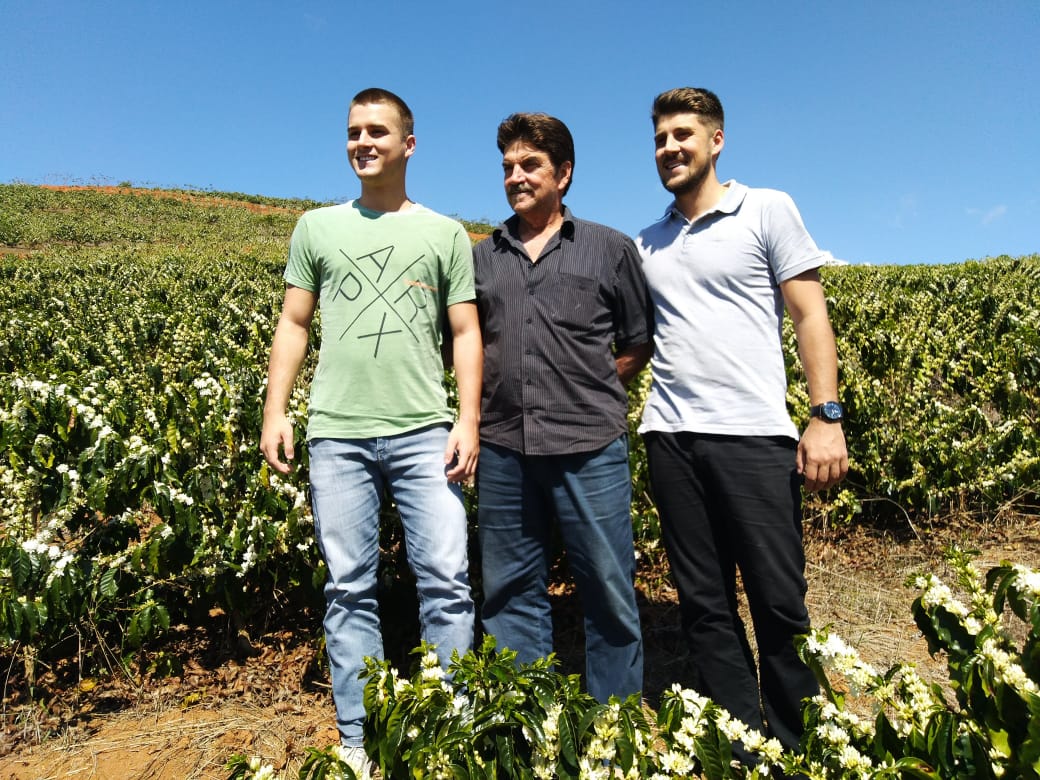
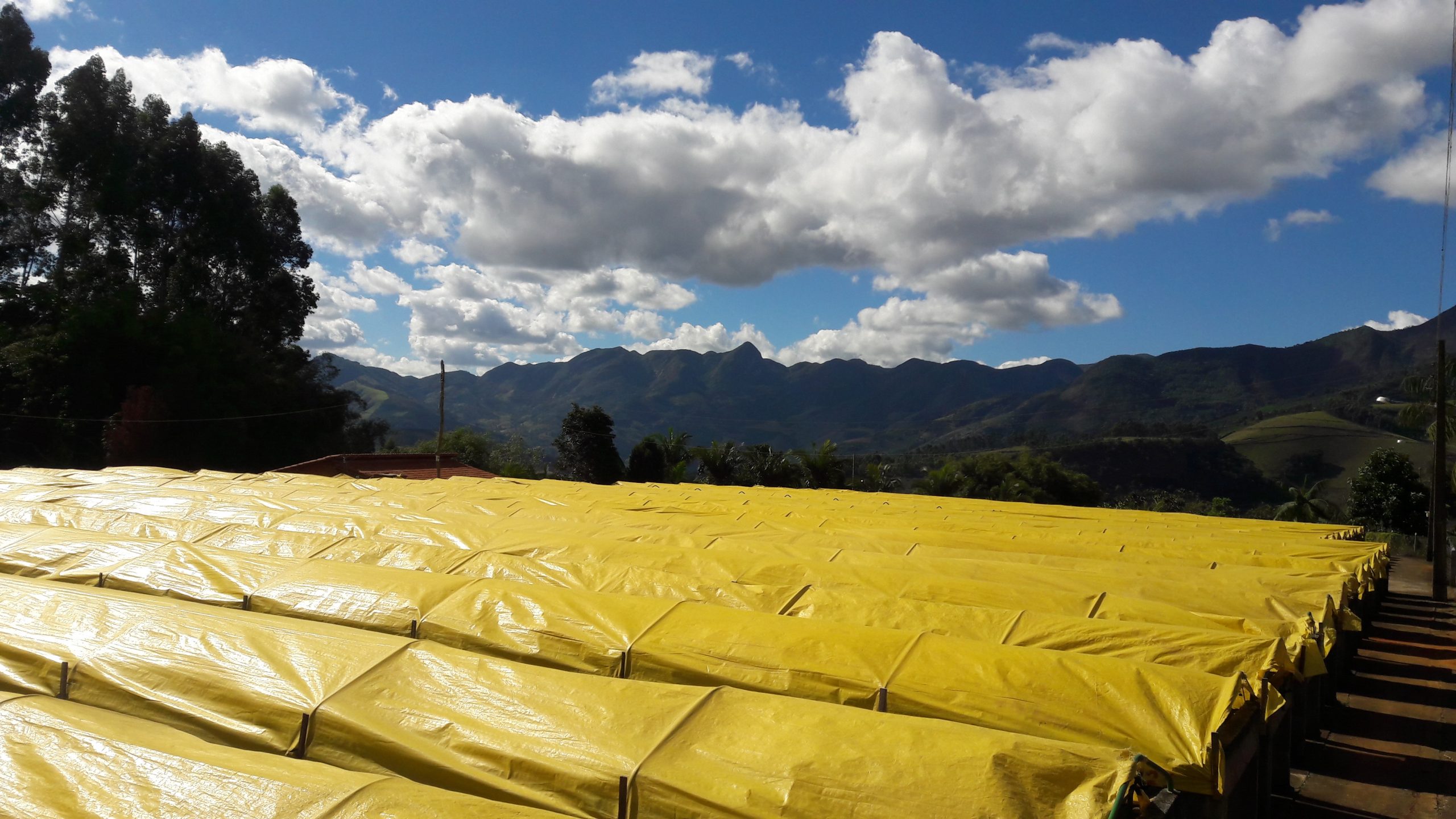
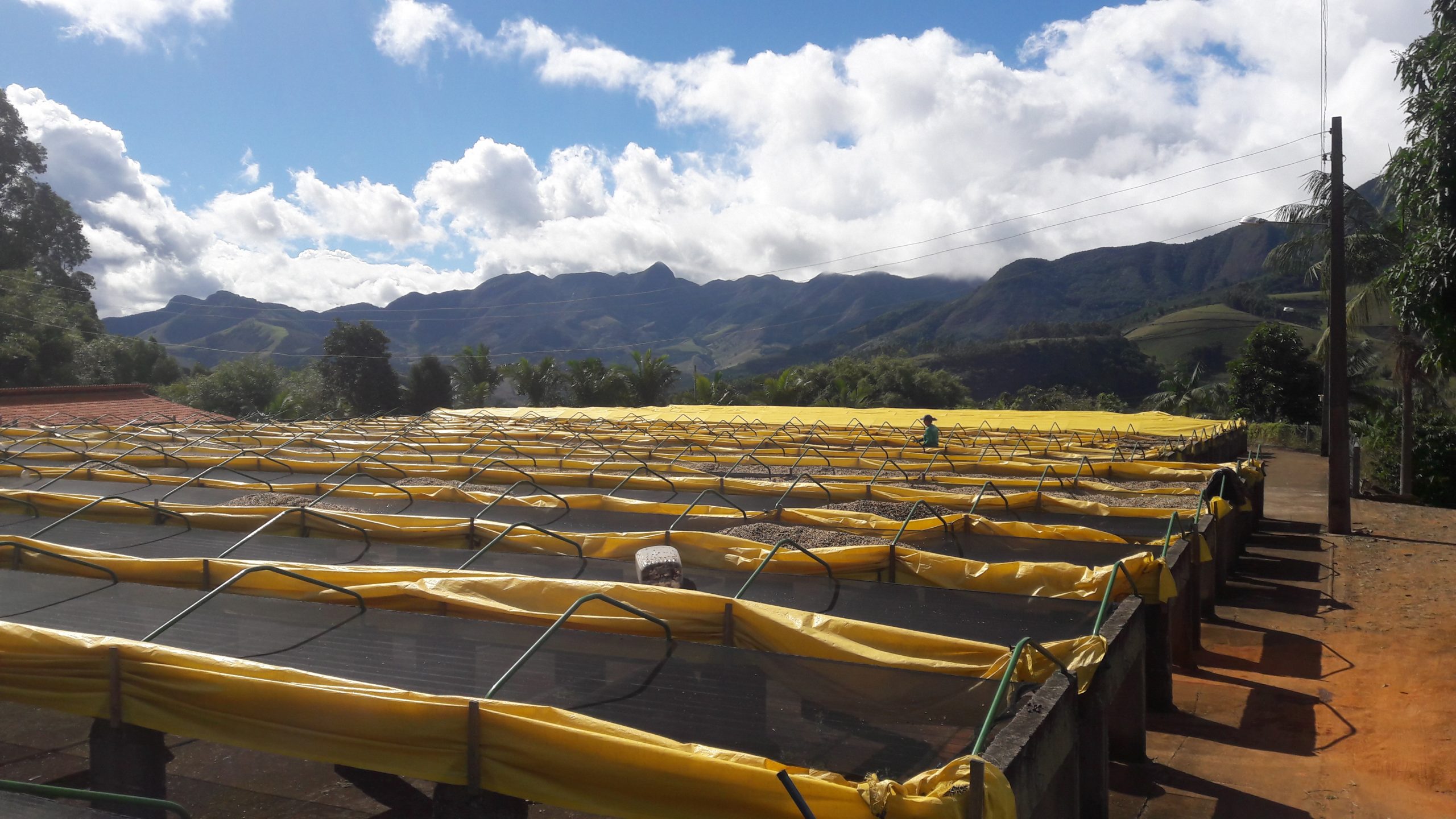
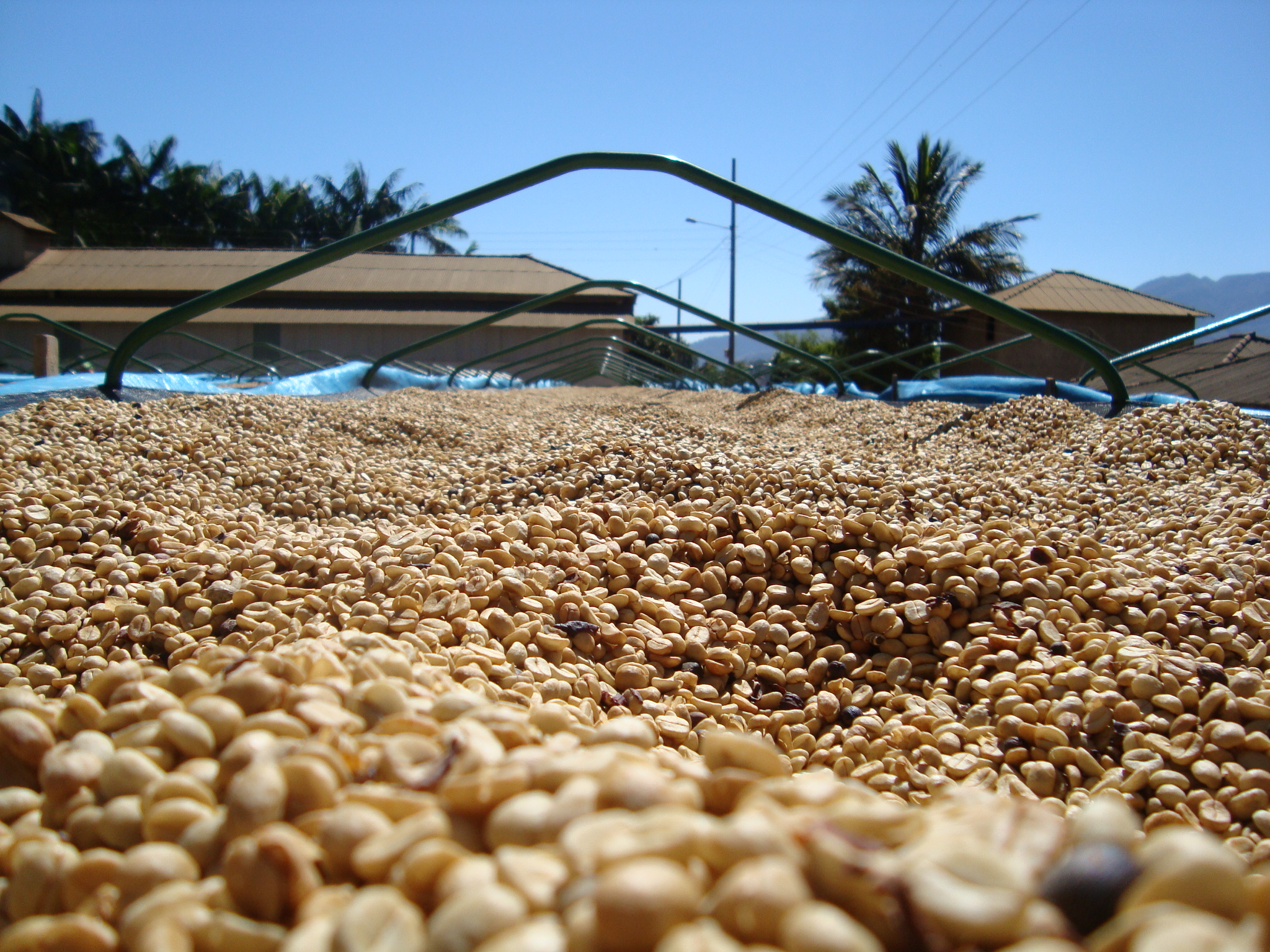
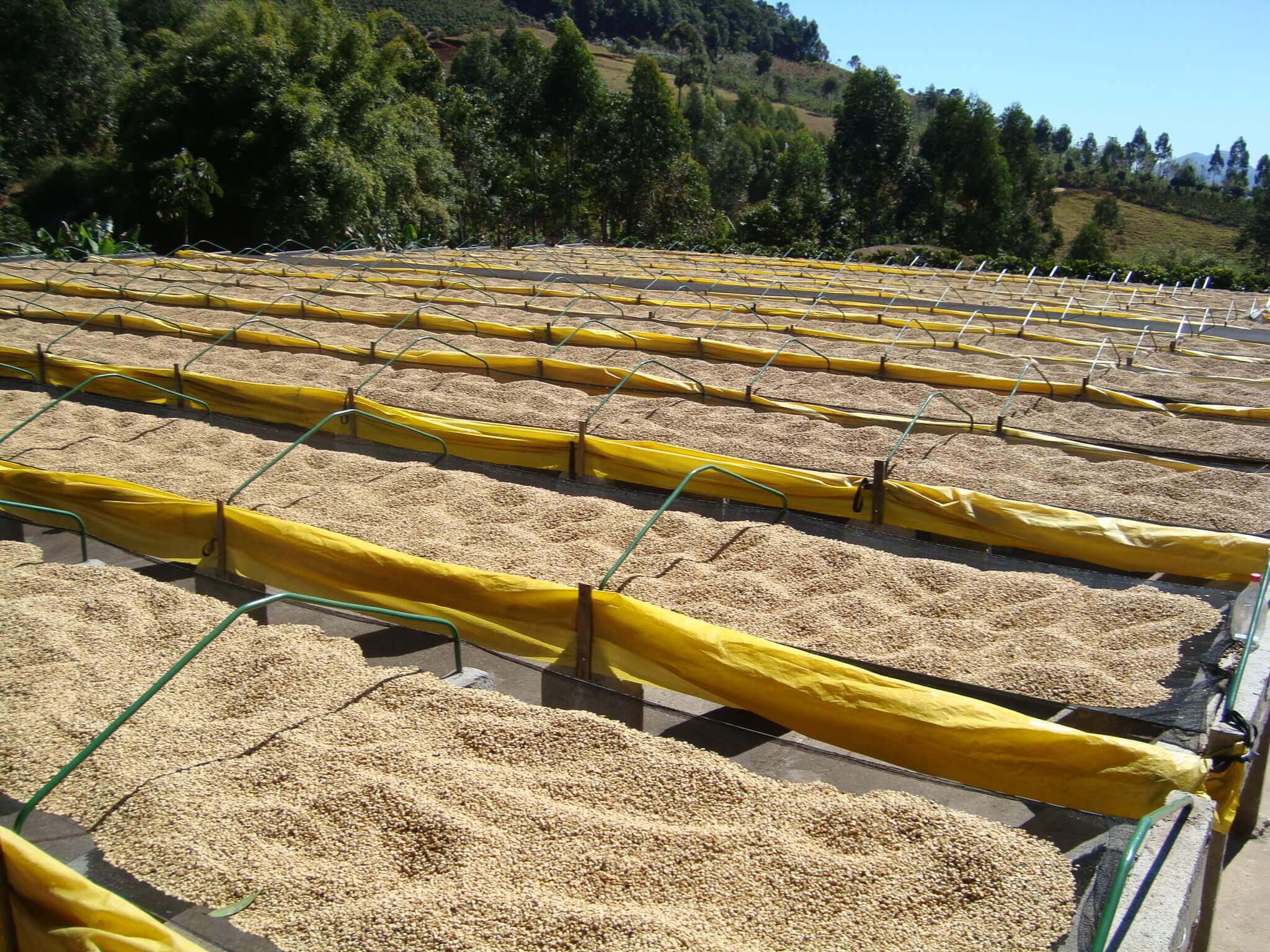
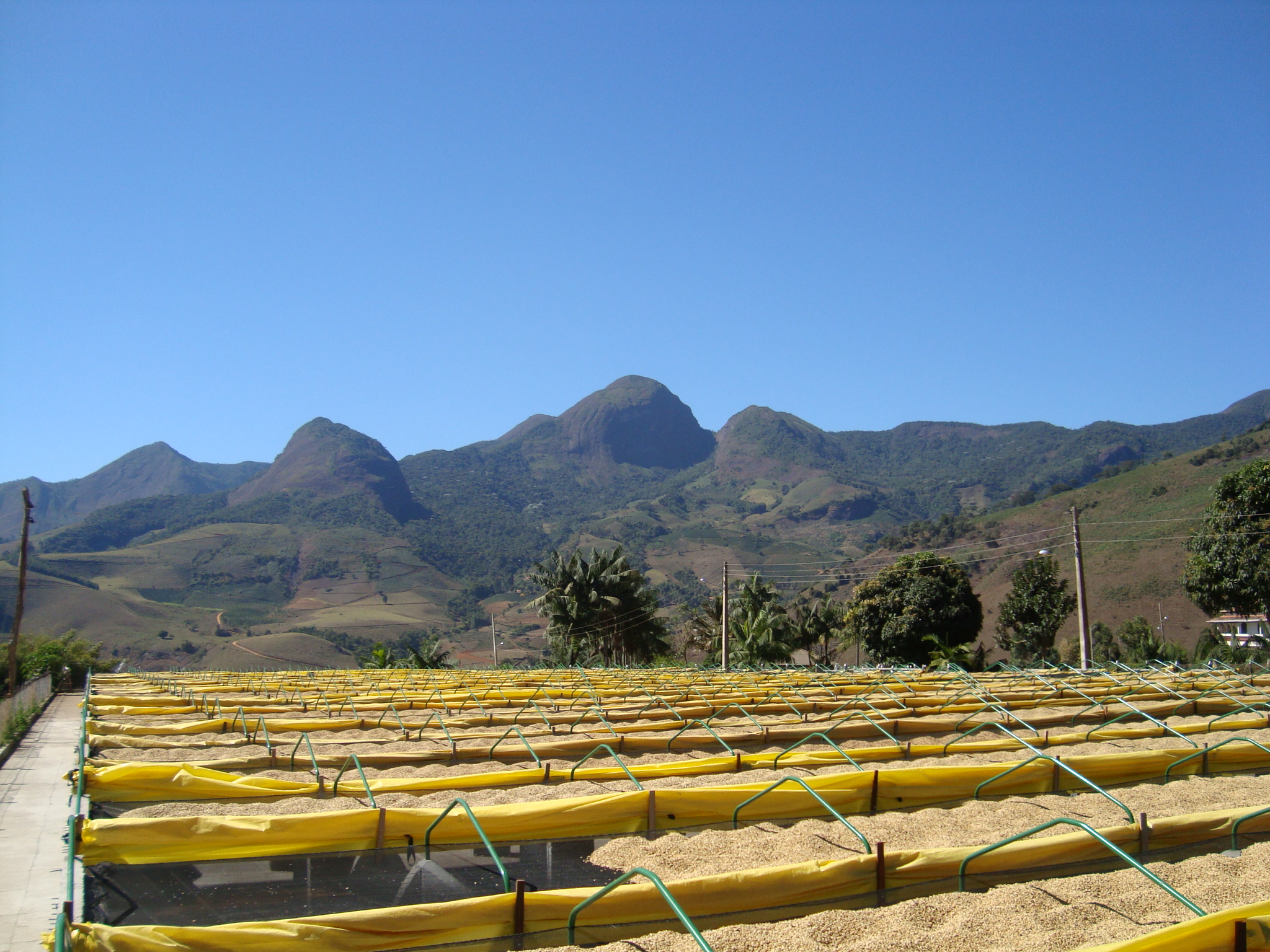
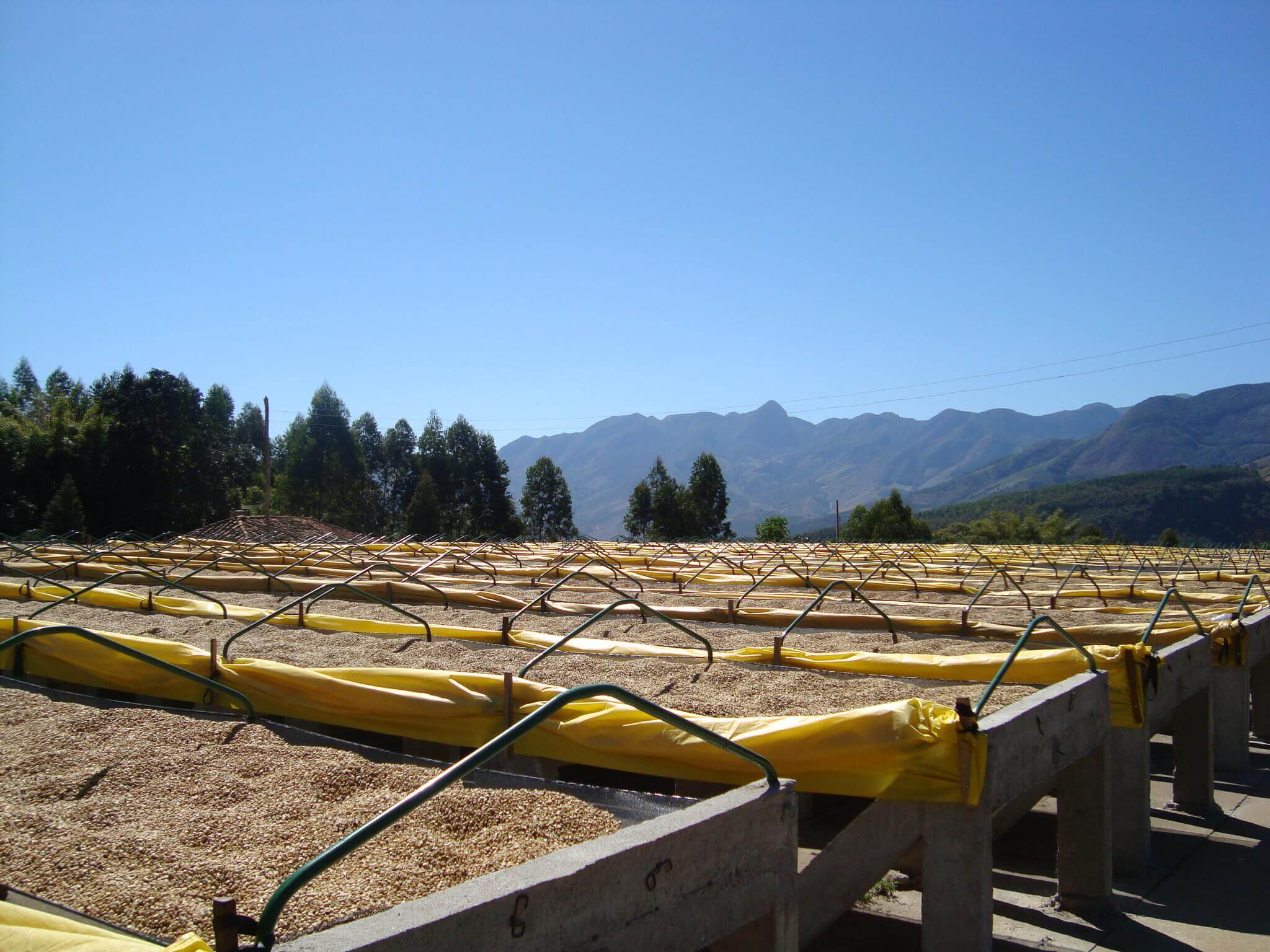
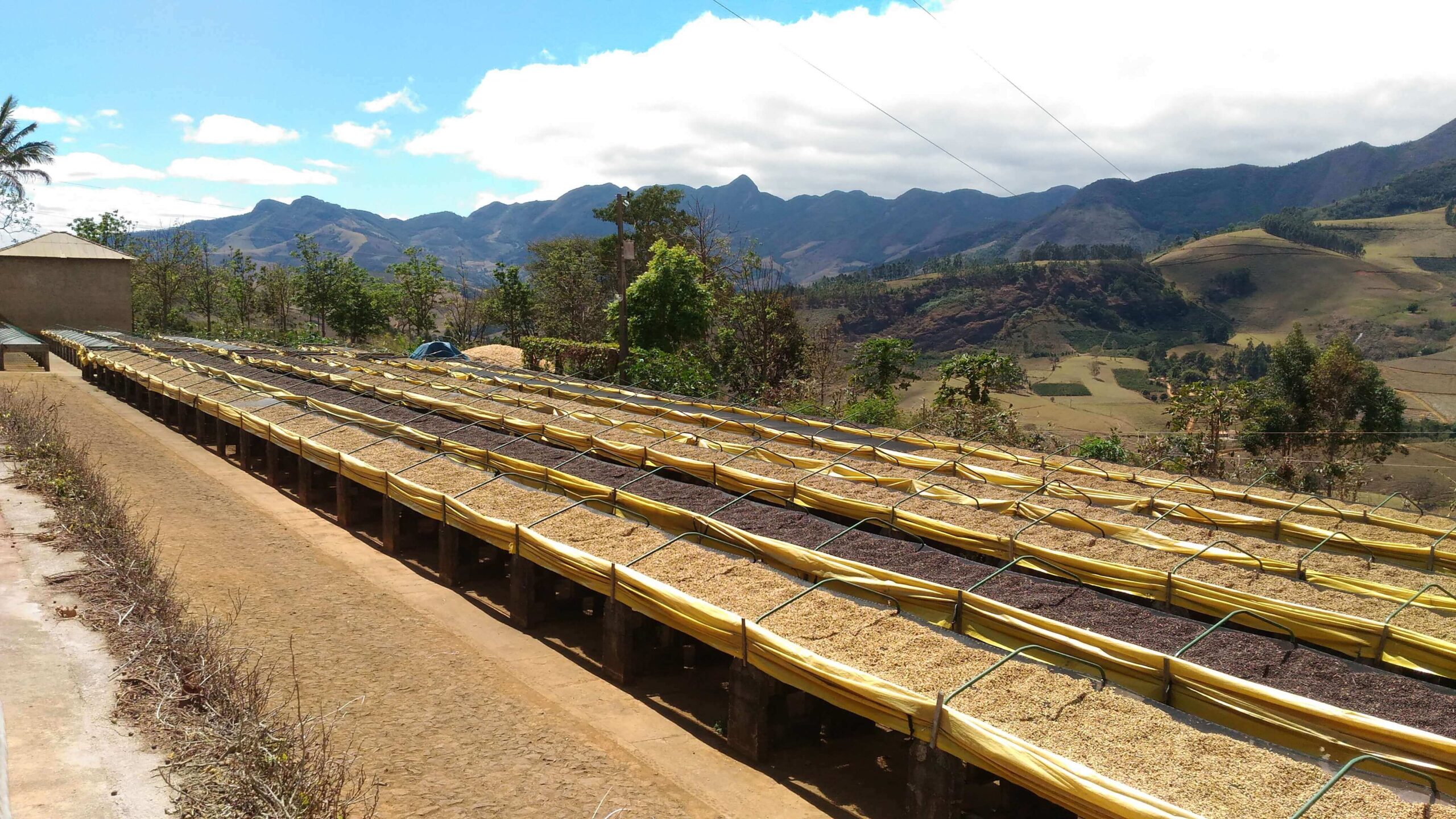
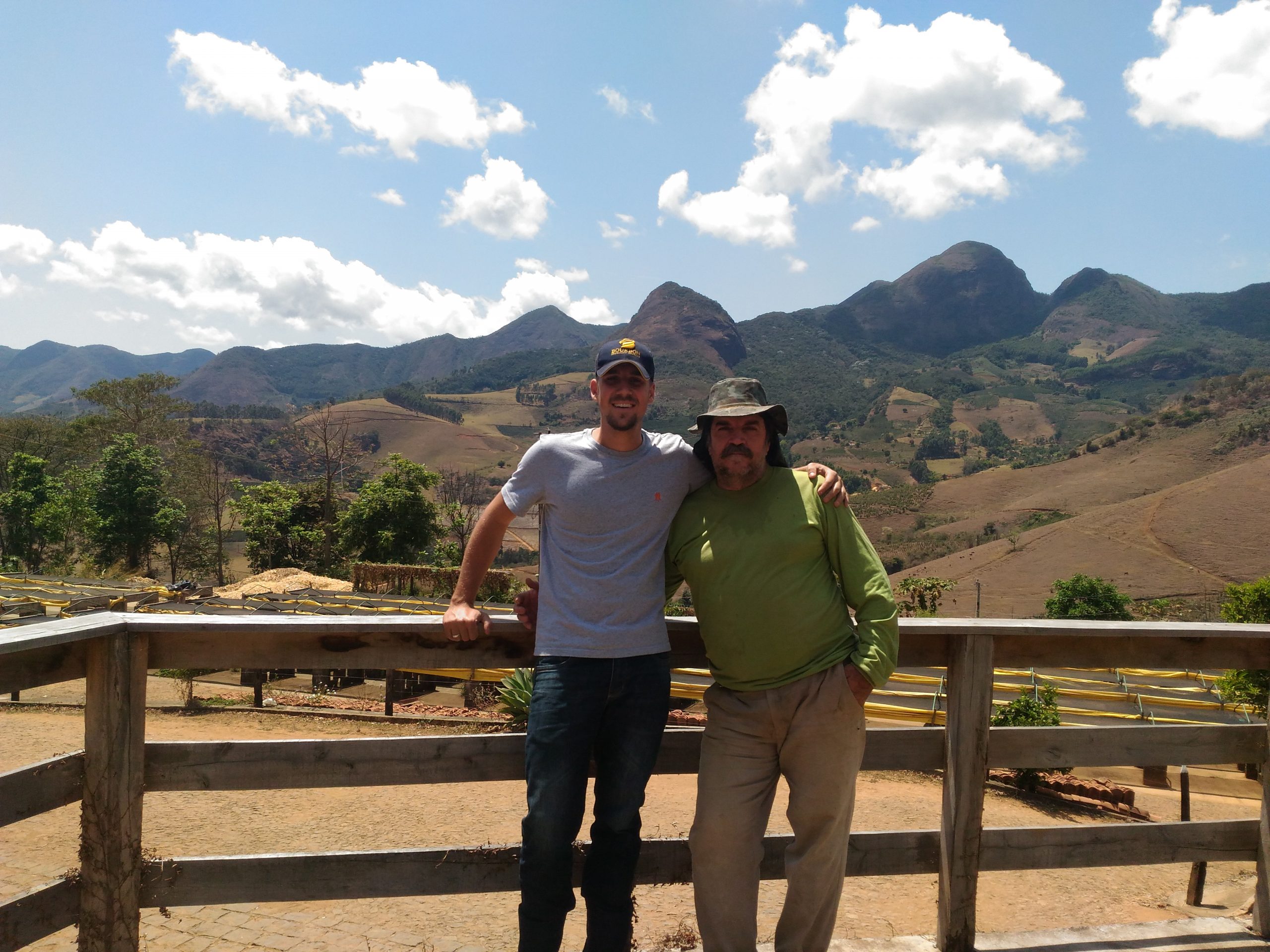
Currently, all drying is done on African beds, which ensures quality of the beans, independent of rainfall during this period. The producer is increasingly motivated to work with specialty coffees by knowing that his family is involved in the process. He relies on the support of his wife, Sônia Maria Lopes Sanglard, who runs the farm’s administrative processes, as well as helping with drying of the beans. In 2016 one of the producer’s sons graduated as an agronomist and is working on the farm helping with the entire coffee production process. There is also his youngest son, which is currently studying agronomy. He is very happy to see familial succession happening at Fazenda Serra do Boné.
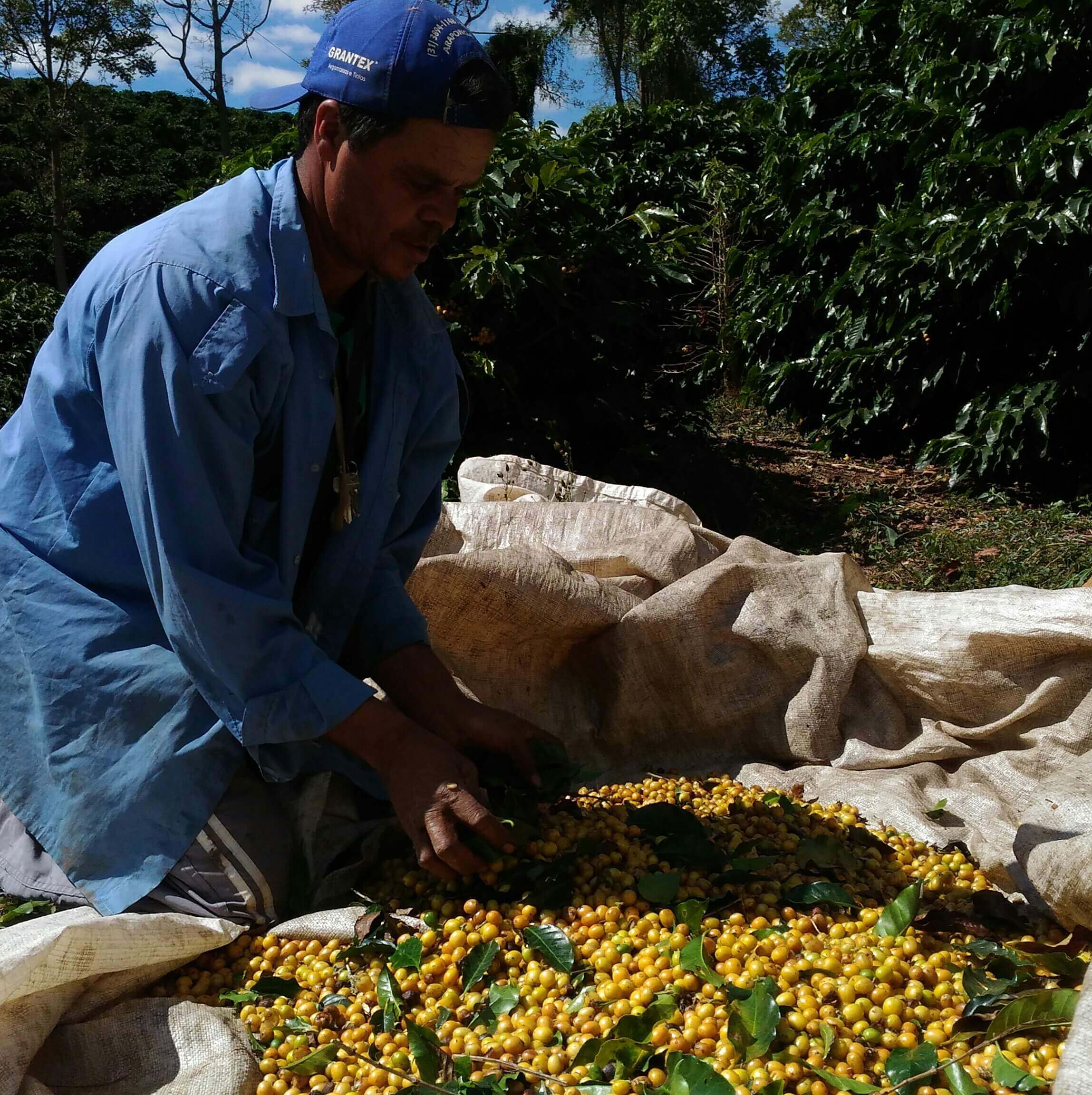
Today most of the farm’s coffee is processed in the wet method (pulped natural). All of the coffee on the farm is dried on African beds, in which the producers attempt to delay drying as much as possible, without interfering with the workflow, as they have observed that slow drying increases the quality of the beans. This lot is pulped natural, of the Yellow Catucaí variety. The drying process lasted 28 days, until reaching the desired humidity.
To make quality coffee, the producers worry about several aspects, from the fields to the warehouse. They are concerned with cultivation of the crops and always think of how to do everything more efficiently, seeking quality and productivity in their coffee in a way that is not harmful to the environment. While harvesting each plot, the producers are careful to pick the fruits at their peak ripeness. They seek a maximum of care during post-harvest processing, during which all drying is done on African beds as slowly as possible. When the coffee reaches the ideal humidity, they allow it to rest inside the parchment before processing it, as this process improves its quality.
Cup of Excellence