Description
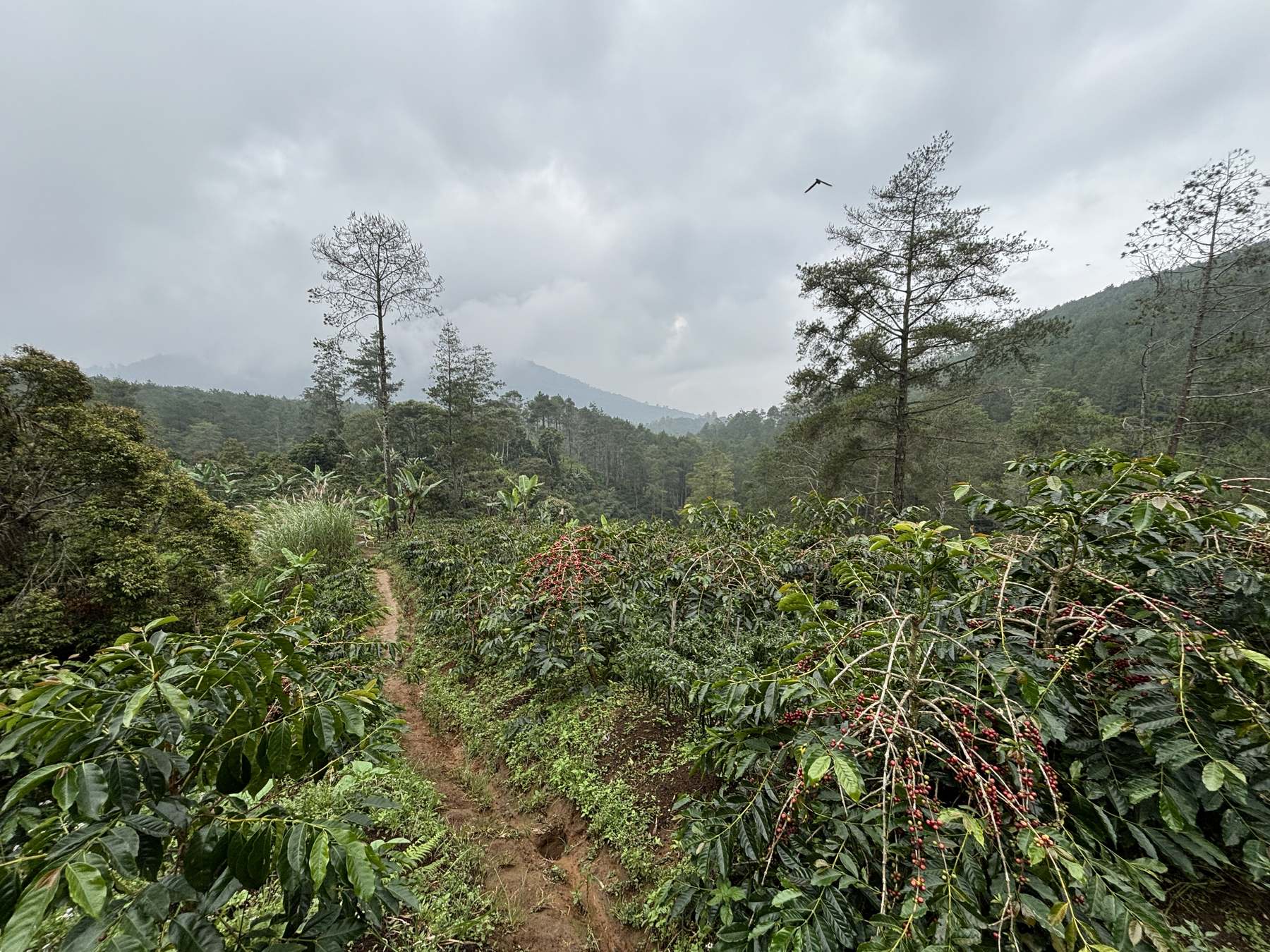
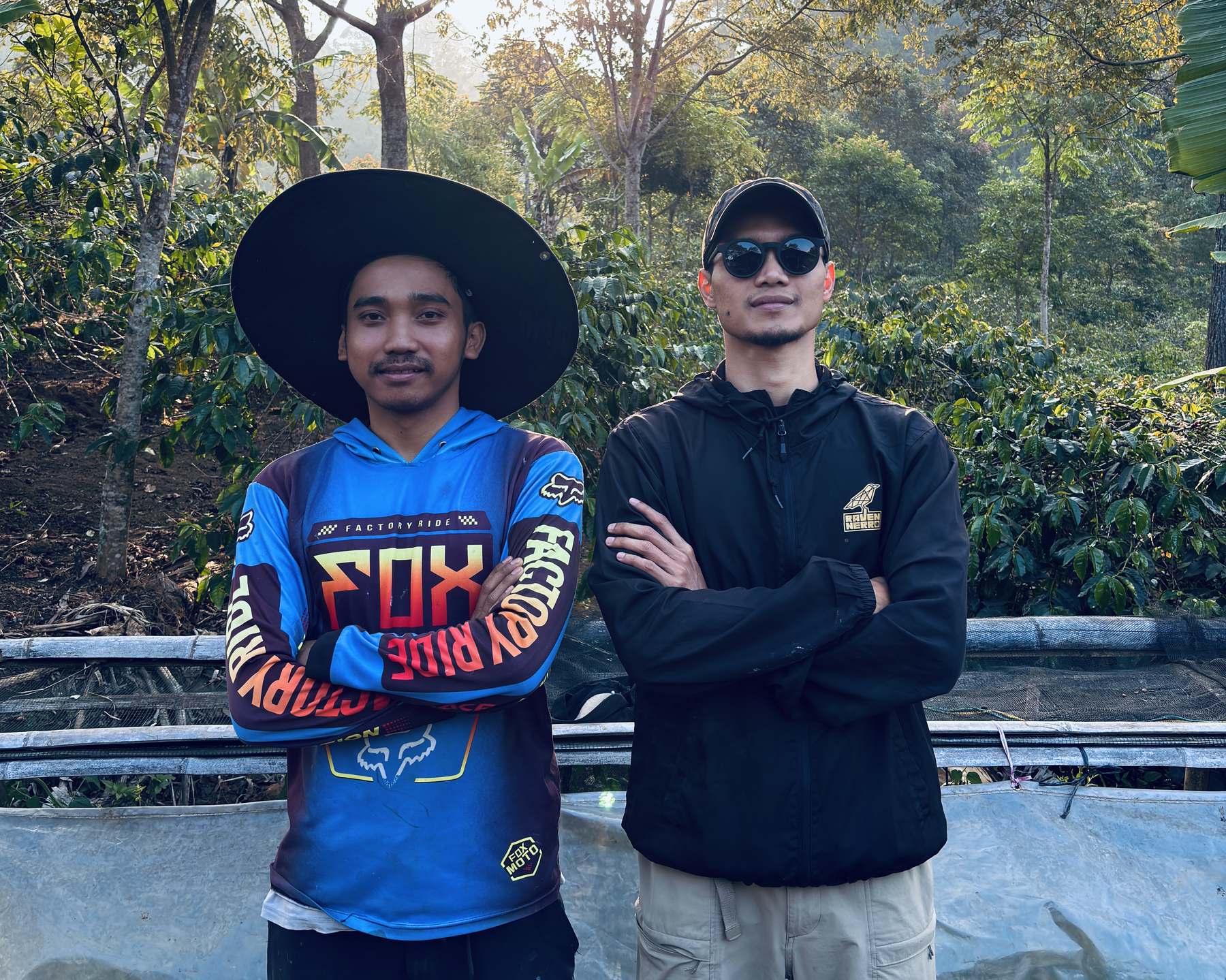
Operating along the eastern slopes of Mount Manglayang in Sukasari, West Java, alongside farm owner Nurjaman, Hans approaches specialty coffee not by chance, but as a calculated system designed to build long-term economic resilience for local farming families. His strategic mindset was put to the test when regional cherry prices crashed below farmer production costs in 2024. Rather than taking advantage of cheap cherries for short-term profit, Hans recalculated his cost structure and elevated processing quality, ensuring local farmers received fair prices to protect their livelihoods.
That same discipline guided his entry for Cup of Excellence 2026. Facing a tight production window due to a late harvest in July and August, he planned every hour of the post-harvest workflow, maintaining strict time discipline while executing an Experimental Natural Carbonic Maceration process.
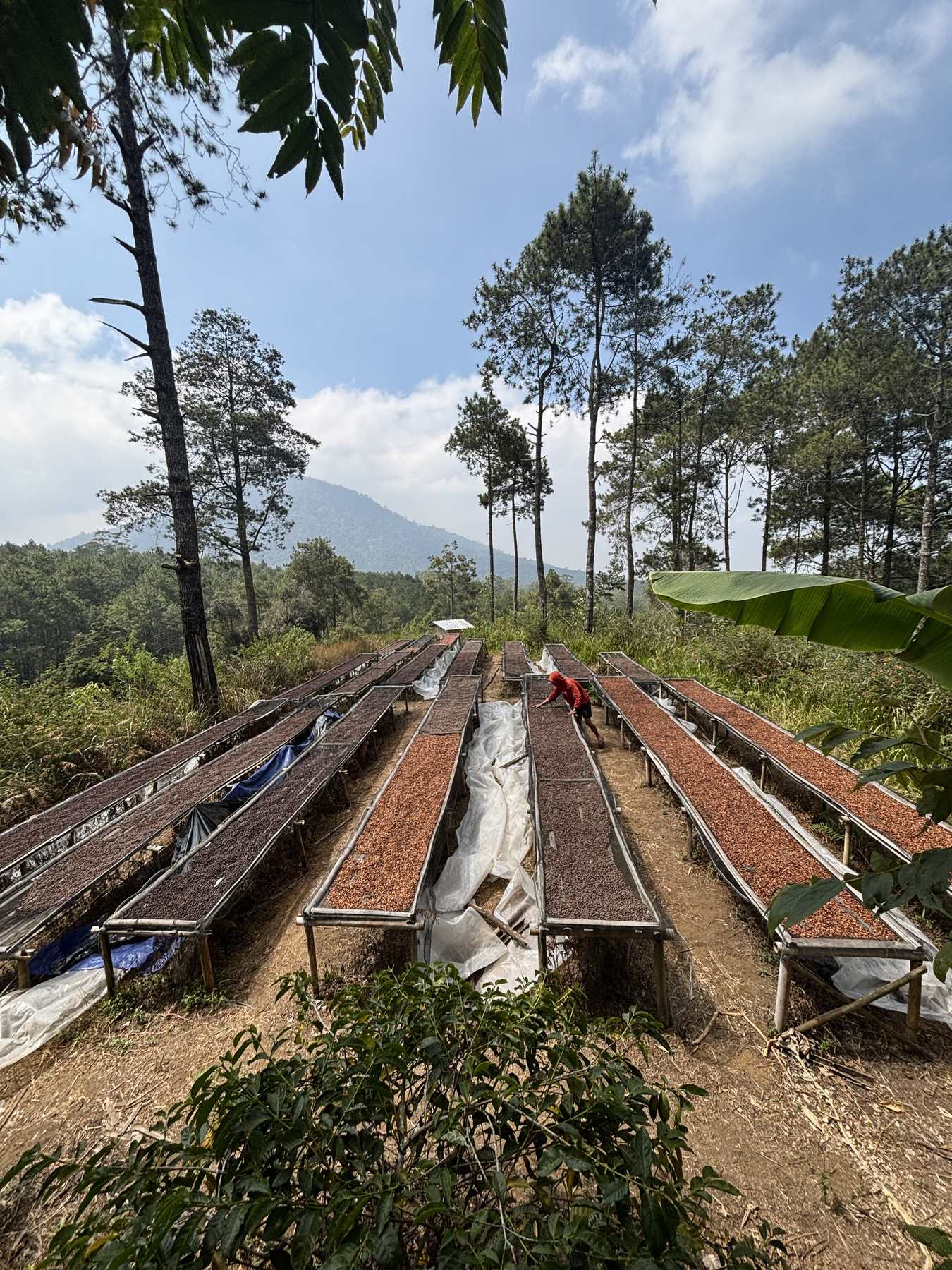
Within that tight window, Hans designed a two-tier microclimate workflow. Fermentation takes place right beside the farm at 1,550 meters, keeping temperatures below 22°C to mirror the cool maturation environment of the trees. The cherries are then slow-dried on African beds under daily temperatures of 24–28°C. Once moisture reaches 15–18%, the coffee is brought down to the village for final drying until it reaches a stable 10–11%, followed by resting and dry milling. His calculated execution paid off, advancing his lot to the International Stage. For Hans, this success proves that financial integrity and systematic post-harvest management can transform highland coffee into a reliable path toward long-term prosperity
“Recalculating cost structures and elevating processing value is how we systematically lift coffee farming families out of poverty.”
— Hans
Post-harvest process: Experimental: Natural Carbonic Maceration
Farm Information
-
Farm NameNurjaman
-
FarmerHans
-
Altitude1550
-
Farm Size0.42 ha
Score
-
Score87.85
-
Rank11
Lot Information
-
Year2026
-
Processing SystemExperimental Natural
-
VarietyJava 80%; Typica 20%